

PNG-Australia defense treaty creates jobs, risks amid rising China influence
Six months on, many youth see opportunity, but others warn ‘Pukpuk’ pact could draw PNG into Pacific tensions.
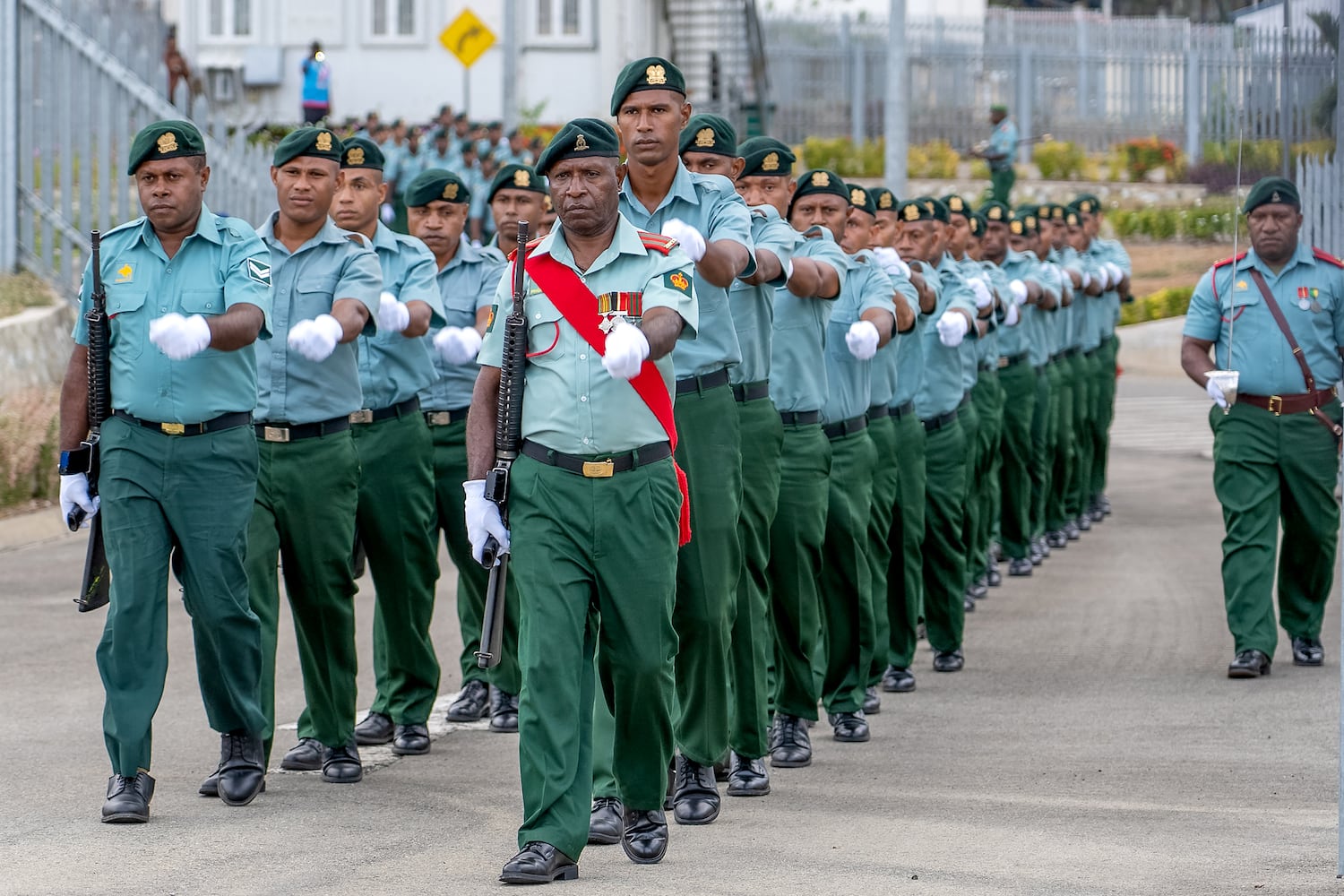
Port Moresby, PAPUA NEW GUINEA – Six months after Papua New Guinea and Australia signed a bilateral defense treaty, public opinion in PNG remains divided, with some telling Radio Free Asia that they like that the pact creates opportunities for youth, and others saying that they worry about potentially being drawn into a larger conflict between the West and China.
Unofficially named the Pukpuk Treaty, after the Tok Pisin word for “crocodile,” it is Port Moresby’s first mutual defense pact and it draws the two regional allies closer together in an era of increasing Chinese influence in the Pacific.
Beyond the nuts and bolts of coordination and cooperation during crises, the pact also allows 10,000 Papua New Guineans to join the Australian Defense Force, or ADF, and become eligible for Aussie citizenship.
Supporters of the treaty say that in a country where 58% of the people are under 25 and, according to World Bank data 3.8% youth unemployment, the opportunity is too great to ignore.
“I agree with the Pukpuk Pact. It is an employment opportunity for our ever increasing youths who can’t be employed after leaving school,” Joe Kau, a former colonel in the Papua New Guinea Defense Force, or PNGDF, told RFA. “Our country’s leaders have no idea on how to mitigate the lack of jobs for the school leavers.”
Kau said that it would be good for young Papua New Guineans to take on Australian citizenship because earning an Australian salary would enable them to take care of their extended families.
But he also understood that the treaty means that Papua New Guineans could be called on by Australia in the event of war.
“I have no problem as long as it is a just cause,” said Kau.
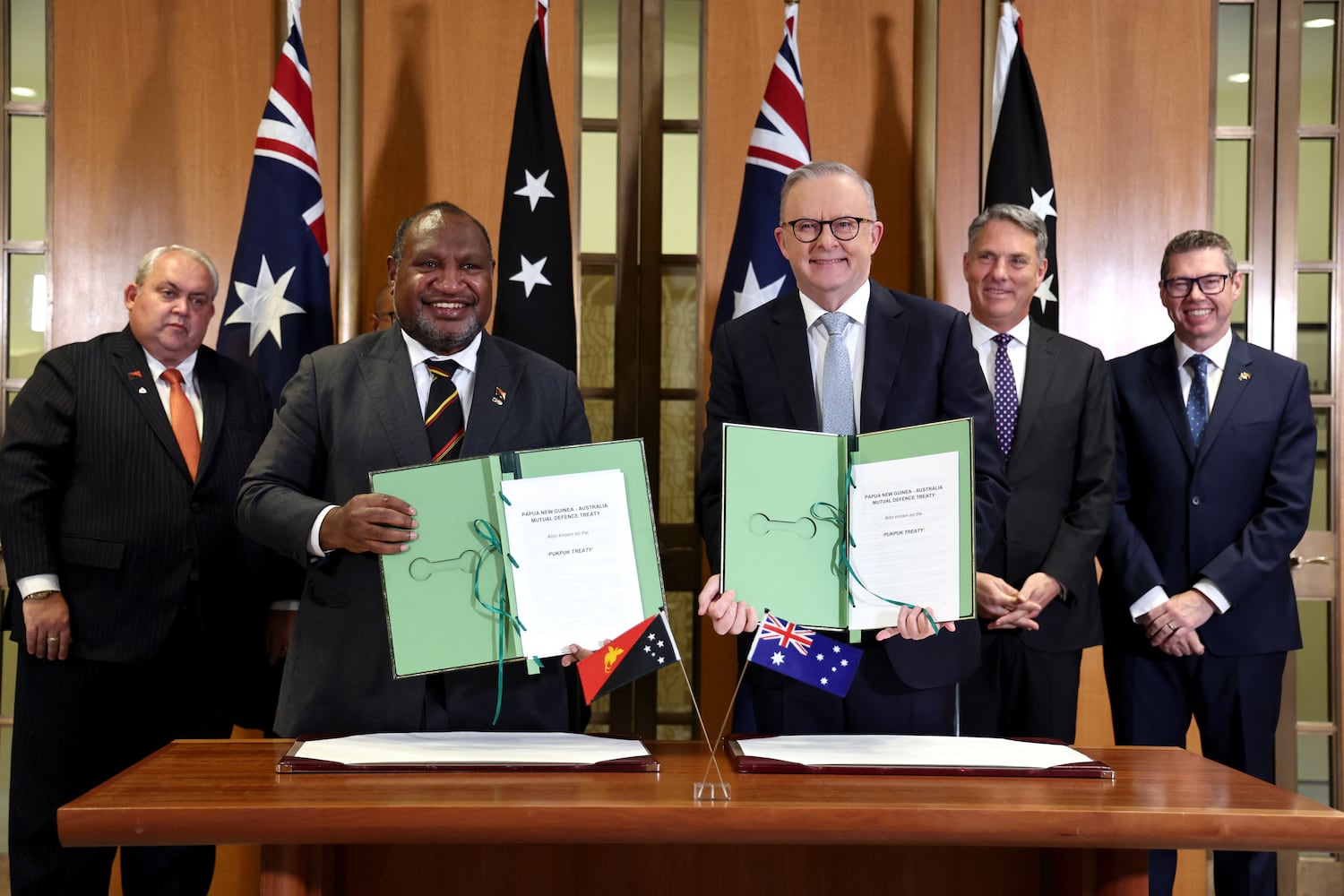
The citizenship for service agreement was a major selling point of the Pukpuk pact. Shortly after the treaty was announced in August 2025, Papua New Guinea’s Defense Minister Billy Joseph told Australian media that there was “a very big pool” of young Papua New Guineans “and Australia can have as many as they want.”
He added that recruitment would take place at regional centers and in the capital Port Moresby.
Divided opinion
But on the streets of Port Moresby, not everyone is lining up to enlist. Chris Pole, a young Papua New Guinean, told RFA that he found it hard to believe that the treaty would allow 10,000 Papua New Guineans to join the Australian military, especially when the PNGDF has only 4,000 personnel.
“The Pukpuk recruitment alone will outnumber the PNGDF size, so if there is a war, definitely Australia will use Papua New Guineans as pawns,” he said, noting that pawns in a game of chess are often sacrificed to protect more valuable pieces. “Papua New Guineans will be sought out first when there is a war and put on the front line if Australia decides to support the United States in a war against China.”
Australia also has a mutual defense agreement with the U.S. and New Zealand through the 1951 ANZUS Treaty, and Washington entered into a defense cooperation agreement with Port Moresby in 2023.
Pole called on the country to remain in its traditional neutral foreign policy stance of being “friends to all, enemies to none.”
But Bosco Bothoa, another young Papua New Guinean, told RFA he would love to serve if it meant he would become an Australian.
“I definitely would want to be a citizen of Australia as stated in the pact, of course,” he said. “In Australia there is better standard of living than in PNG and the salary would be higher.”
But Bothoa also understood the responsibilities that could come with enlisting and acquiring a new citizenship. When asked if he would be prepared to fight if war erupts in the Pacific, he said, “War is not the ultimate solution,” but if it happens, “then we will have to serve our country as citizens of Australia.”
Bothoa and others who want to enlist might have to wait though. In a Facebook post on Jan. 4, the PNG Ministry of Defense advised that the first phase of recruitment under the plan would only be open to Papua New Guinean citizens who have permanent residency status in Australia. Phase two would start at a later date and include applicants living in Papua New Guinea.
The PNGDF told RFA that the recruitment process has not yet been finalized, and it remains under consultation.
Mutually beneficial
The Pukpuk treaty is a win-win, according to the Washington-based Center for Strategic & International Studies. In an article published shortly after the treaty was signed, the think tank said that the treaty deepens the relationship between the two countries, and that enlisting Papua New Guineans into the ADF would be good for both sides.
“Given the ADF’s recruitment challenges and PNG’s undermanned defense forces, the arrangement offers clear benefits for both nations,” the article said. “As a mutual defense treaty, the Pukpuk Treaty stands as both a continuation of previous aspects of the Australian-PNG relationship but also constitutes a fundamental change in the depth of that relationship.”
But the treaty might be at odds with Papua New Guinea’s constitution, Jerry Singirok, a Papua New Guinean former two-star general who is now a defense strategist, told RFA.
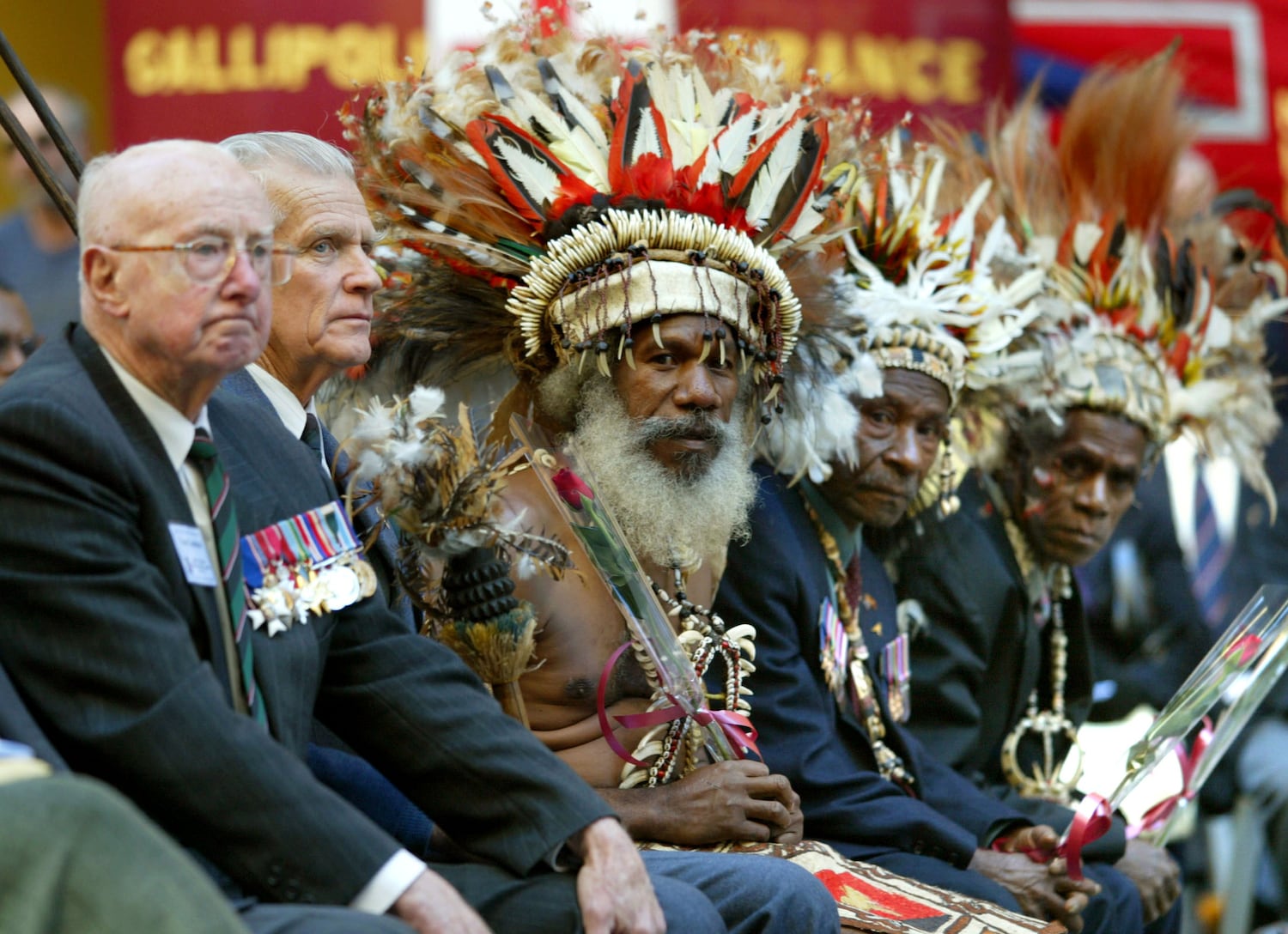
“Regardless of how best the Papua New Guinea government want to justify the integration of a foreign force, our constitution does not provide for military integration with a foreign power,” He said. “The PNG Defence Force is mandated to serve the sovereign interest of PNG and any arrangement that embeds PNGDF with the Australia’s Defence Force or aligns PNG’s military doctrine with Australia,’s could be seen as undermining PNG’s national sovereignty, violating the principle of non alignment which PNG had historically upheld.”
He said that barring an amendment to the constitution, the legality of the Pukpuk Treaty could be challenged in court.
Prior to the treaty’s signing, a spokesperson for the Chinese Embassy in Papua New Guinea said that China “adheres to the principle of non-interference in other countries’ internal affairs,” adding that the treaty should not prevent Port Moresby from cooperating with a third party nor should the treaty target a third party or undermine its “legitimate interests.”
The treaty does not mention China by name.
Edited by Eugene Whong.
This article has been sourced from various publicly available news platforms around the world. All intellectual property rights remain with the original publishers and authors. Unshared News does not claim ownership of the content and provides it solely for informational and educational purposes voluntarily. If you are the rightful owner and believe this content has been used improperly, please contact us for prompt removal or correction.















/cloudfront-us-east-1.images.arcpublishing.com/gray/RDUJBOYFCBAXRCGGFYQPQNOF5Q.jpg)





![SAFTAs 19: How celebs dressed to impress [photos]](https://www.thesouthafrican.com/wp-content/uploads/2026/03/Untitled-design-1.jpg.optimal.jpg?#)