The Impact of Bhutto’s Nationalization Policy on Pakistan’s Economic and Institutional Decline
By Shahid Suleman
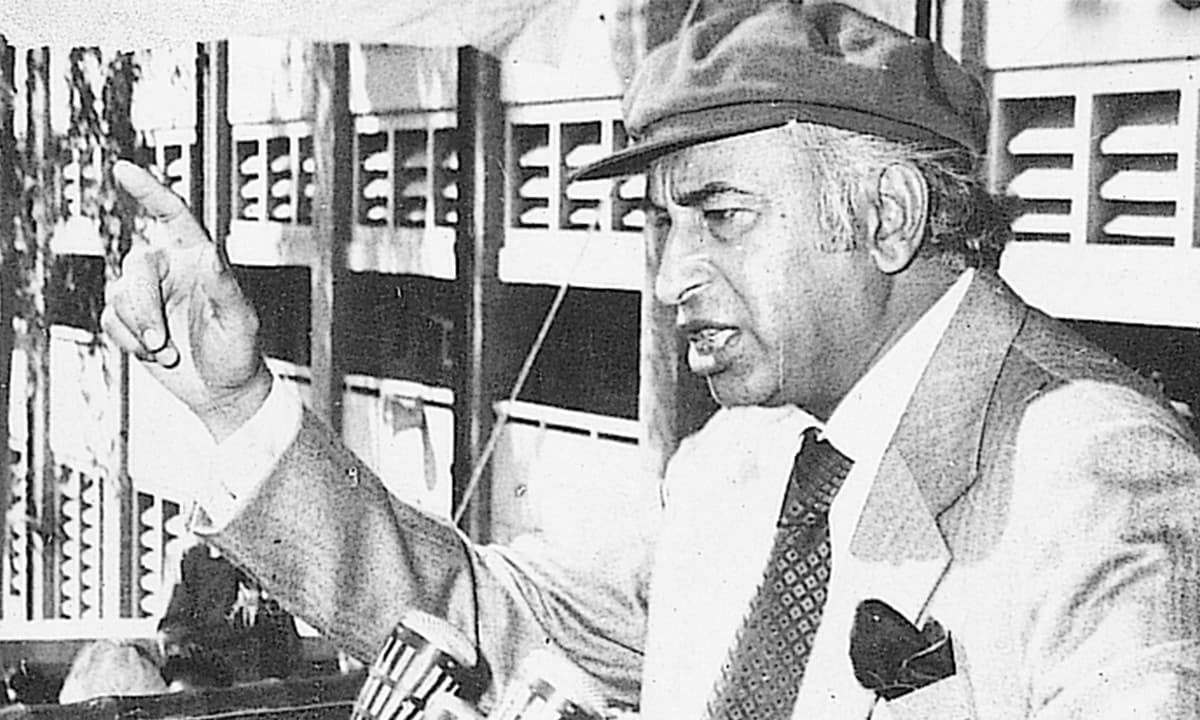
The narrative of Pakistan's progressive decline post-1970s can be attributed significantly to the misguided policies of nationalization initiated by Zulfikar Ali Bhutto. Bhutto’s nationalization policy not only disrupted the economic trajectory of Pakistan but also laid the foundation for a culture of inefficiency, political patronage, and mismanagement that continues to plague the country.
During the 1960s, Pakistan was celebrated as a model of economic progress and industrialization. The per capita income, industrial output, and currency value were robust. However, Bhutto's sweeping nationalization of banks, industries, educational institutions, and insurance companies from 1972 onwards derailed this momentum. By transferring private enterprises into state control, the policy disincentivized entrepreneurship and private sector growth. Businesses were either expropriated or fled the country, creating a vacuum in investment and innovation.
Bhutto’s policy of political appointments within newly nationalized enterprises replaced competence and merit with loyalty to his political party. This shift undermined work ethics, leading to inefficiency and corruption. State-owned enterprises (SOEs), such as Pakistan Steel Mills and Pakistan International Airlines (PIA), which had been sources of national pride, became symbols of inefficiency and mismanagement. The absence of competitive pressures allowed inefficiency to thrive, as these institutions were insulated from accountability and market discipline.
By the late 1970s and 1980s, the decline of national institutions was evident. Pakistan's reliance on foreign loans increased, as the productive capacity of state-owned enterprises diminished. Once considered an economic beacon for developing countries like South Korea and Singapore, Pakistan’s economy began lagging behind. Today, Pakistan’s foreign exchange reserves and economic indicators pale in comparison to those of its regional counterparts, a direct consequence of policies that stifled private enterprise and innovation.
The nationalization policy disrupted not just the economy but also societal structures. Nationalized educational institutions experienced a decline in quality, as political interference superseded academic merit. The quota system introduced for employment and admissions further alienated deserving candidates, exacerbating brain drain and weakening the social fabric.
Bhutto’s populist slogan of "roti, kapra aur makan" (bread, clothing, and shelter) fostered a mindset of entitlement rather than empowerment. By prioritizing short-term political gains over sustainable economic policies, the government inadvertently encouraged a culture of dependency on the state. This approach weakened the incentive structure necessary for economic and institutional growth.
Pakistan’s degeneration since the late 1970s is rooted in the breakdown of key institutional pillars. The founding generation, guided by merit and integrity, was replaced by a leadership prone to nepotism and corruption. The quota system and political favoritism led to the appointment of unqualified individuals in critical positions, further eroding institutional efficiency. For instance, PIA and Pakistan Railways, which once set global benchmarks, now symbolize inefficiency and financial losses.
Moreover, the demographic explosion from 70 million in 1971 to 240 million today has compounded economic challenges, straining resources and public services. In contrast, Bangladesh—once derisively termed a "basket case"—has focused on sustainable development, literacy, and industrial growth, surpassing Pakistan in economic performance.
To reverse Pakistan’s decline, it is imperative to address the systemic issues rooted in Bhutto’s era and perpetuated by subsequent regimes. The following steps are essential:
Privatizing loss-making SOEs and fostering a competitive private sector are crucial for economic revival. Policies must incentivize entrepreneurship, investment, and innovation while reducing reliance on foreign aid and loans.
Appointments in public institutions must prioritize competence and qualifications over political affiliations. Quota systems that disregard merit should be revised to foster inclusivity without compromising standards.
Transparent governance and stringent accountability mechanisms are critical to curbing corruption and ensuring the efficient management of public resource.
Improving literacy rates, particularly female literacy, and enhancing the quality of education can address the root causes of underdevelopment. A skilled and educated workforce will be vital for sustainable growth.
Pakistan needs leaders who prioritize national interest over personal or political gains. Leadership marked by integrity, vision, and a commitment to democratic and egalitarian principles is essential to restore the nation’s trajectory.
The economic and institutional decline of Pakistan since the late 1970s underscores the profound consequences of ill-conceived policies like Bhutto’s nationalization. While the 1960s marked a "golden era" of economic growth and global admiration, subsequent decades have been characterized by mismanagement and stagnation. To reclaim its lost potential, Pakistan must embrace reforms that prioritize merit, accountability, and economic liberalization, fostering an environment conducive to progress and development.