Video series: ‘China Beyond Borders’ looks at Beijing’s influence and intimidation
Video series on transnational repression at colleges, ByteDance, targeting an AI company's intellectual property
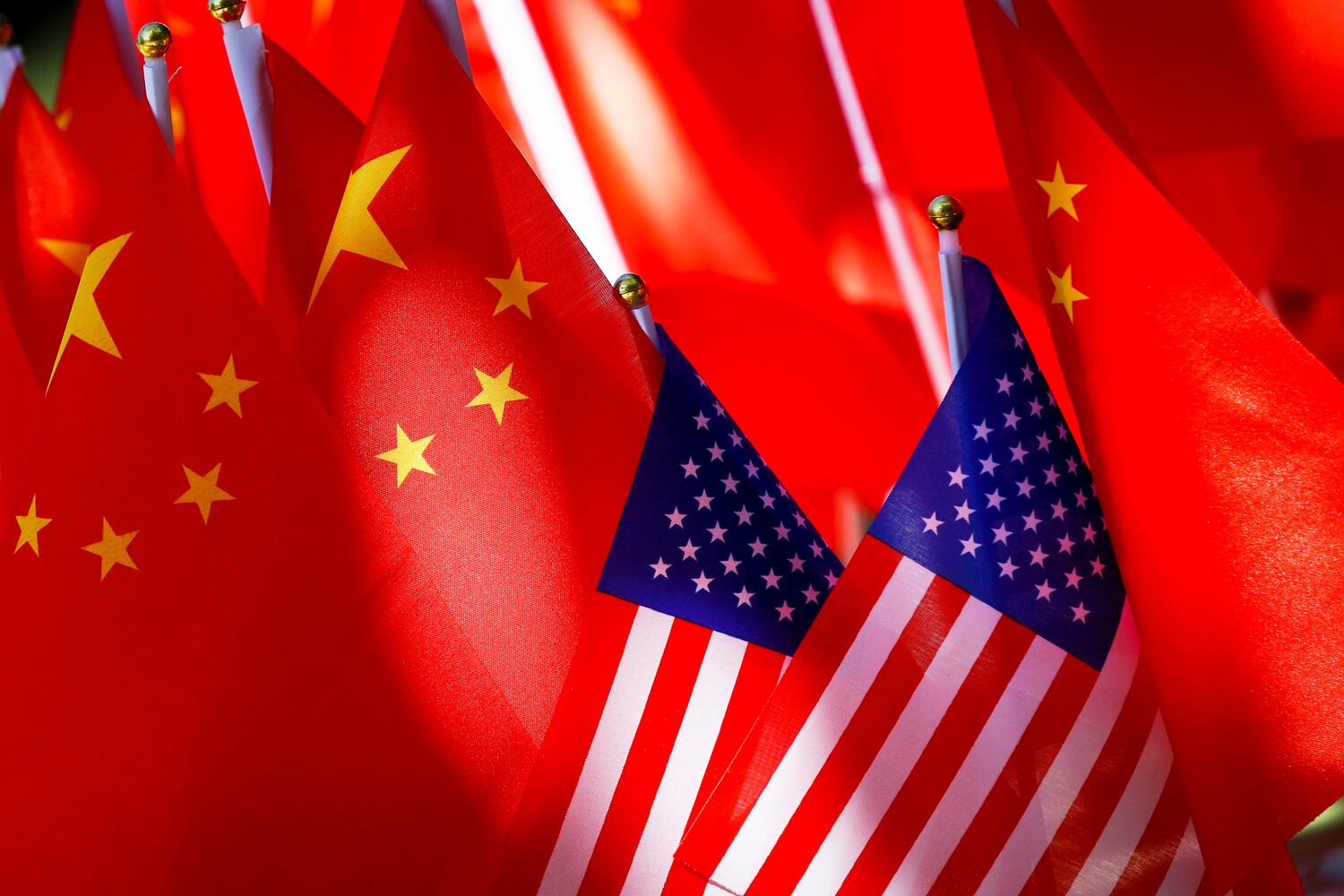
In a three-part series, Radio Free Asia examines the reach of the Chinese Communist Party far beyond its borders, on U.S. college campuses and through technology.
RFA speaks with victims of intimidation, policy experts, and lawmakers on what’s at stake.
Episode 1: Across US College Campuses
Episode 1 delves into incidents like a Harvard University protester being forcibly removed by a Chinese Communist Party-linked student, a violent attack at a Columbia University vigil and the harassment of Georgetown students for advocating democratic values.
The documentary uncovers how these students and their families face surveillance, intimidation, and retaliation, both abroad and in China, raising urgent calls for stronger protections and accountability to safeguard freedom on American campuses.
Episode 2: TikTok — National Security Threat?
Episode 2 investigates the potential national security risks posed by TikTok and its parent company, ByteDance, amidst allegations of connections to the Chinese Communist Party (CCP).
Explained are the platform’s data collection practices, its potential to manipulate users through algorithms, and the broader implications for American privacy and democracy.
As the deadline for ByteDance’s divestment of TikTok is approaching, the episode raises critical questions about balancing national security with the principles of an open society.
Episode 3: China-linked hackers spark global concern
Episode 3 reveals a recent cyberattack uncovered by Proofpoint, a leading American cybersecurity firm specializing in email security and threat defense.
Proofpoint identified a China-linked hacker group, “UNK_SweetSpecter,” targeting technical personnel connected to a top AI company.
Using phishing emails with malware, the group sought to steal intellectual property, coinciding with U.S. export restrictions on AI models. Despite improved international intellectual property laws, enforcement remains inconsistent.
This article has been sourced from various publicly available news platforms around the world. All intellectual property rights remain with the original publishers and authors. Unshared News does not claim ownership of the content and provides it solely for informational and educational purposes voluntarily. If you are the rightful owner and believe this content has been used improperly, please contact us for prompt removal or correction.










/cloudfront-us-east-1.images.arcpublishing.com/gray/YSYYKIUMGVGAHNG2RWEWTR7S5U.png)